 Unlock with Patreon
IFAQ: Nationalism, Ancient Sailors, Merfolk and Masked Fey
Every month, I answer interesting questions posed by my Patreon supporters. Here’s a few that came up this month!
What is the basis of nationalism in Khorvaire? Everyone speaks Common. Ethnicity doesn’t seem to be a factor, considering that you can be Brelish while being a dwarf or elf, let alone human. If it’s about shared history and traditions, can an Aundairian adopt Brelish ways and become a Brelishman? If an overwrought Sword of Liberty is setting out on a terror campaign against foreigners, what is he looking for to determine who is and isn’t a “foreigner”?
First, let’s talk about language—something I did in this article. One of the basic points is that the Common tongue is an artificial construct we use because it makes stories easier; it’s not especially FUN to have the story come grinding to a halt because no one speaks Karrnathi. So, everyone in the Five Nations speaks Common. But as I note in that article…
I prefer to limit the number of languages I use, but also to play up the idea of regional dialects and slang. Common draws on all of the old languages of pre-Riedran Sarlona, so you can definitely get variation from place to place. When the paladin from Thrane is in a small Karrnathi village, he might have to make an Intelligence check to perfectly understand the conversation of the locals or a Charisma check to communicate clearly… unless, of course, he has a local guide to help out. It allows for the challenge and potential humor of limited communication while still allowing for the possibility of communication with no help. If a character has the Linguist feat or is from the region, I’d allow them to act as that local guide — so we’ve got a little fun flavor because the Karrn PC can joke with the locals at the expense of the Thrane.
Then there’s this article on “The People of the Five Nations.” A key note: “Rather than being judged by the color of your skin, you’ll be evaluated by your ACCENT, ATTITUDE and FASHION.” (highlights added). So again, everyone may be speaking Common, but in my campaign, unless someone is actively trying to disguise it it’s obvious from their accent where they’re from (unless part of their story is “I went to Arcanix and worked hard to ditch my small-town Brelish accent.”)
To look to a real world example, consider the US Civil War. Consider how people in a small town in Mississippi would feel about someone from New York City moving into town four years after the war. He might look just like most of the townsfolk; he might even have a great-grandfather from the town. But he doesn’t dress like them, he doesn’t sound like them, he doesn’t share their customs, and the people in the town lost a lot of good boys in the war. Even if that outsider does his best to lose his accent and to adopt local customs…. do you think the locals will say “Oh, that’s OK then?” Or might some of them even be angrier, thinking he’s mocking them?
So: it’s NOT about blood. You can be a Brelish dwarf or a Brelish elf. It’s about customs. It’s about the way you speak and the sound of your name. It’s about your values and your traditions. Can you quote Beggar Dane? Are you willing to help a friend pull one over on the tax collectors? If you ditch everything about you that defines you as Cyran, then congratulations, they might even let you join the Swords of Liberty. But that’s not something most Cyrans WANT to do; the people of High Walls and New Cyre believe that they WILL regain their nation, and they are proudly holding on to their accents and their customs. And that draws the ire of the Swords of Liberty.
Why are merfolk native to Lamannia? In my musings about them, they seem to be (in our real-life mythology) more akin to dryads and other fey spirits.
In OUR world, merfolk are mythological. In Eberron—or in Fifth Edition in general—they’re not. A dryad isn’t a natural creature; it’s fey, and part of what that means its that it’s not bound by the limits of nature. Many fey are essentially immortal. They don’t reproduce in the way humanoids do, and for the most part, they don’t evolve. There’s no nation of dryads in Eberron; where they are found, they are tied to their stories, and time essentially passes through them.
None of this is true of the merfolk of Eberron or Lamannia. They’re not fey; they’re humanoids. They live, they raise families, they die. Those that live in Lamannia are influenced by the primal nature of the plane. According to Exploring Eberron, “There are merfolk in Eberron—such as the Kalamer of the Thunder Sea—but their people began in the Endless Ocean of Lamannia, and are still found there. These primordial merfolk remain close to their elemental roots and instincts. They wield druidic magic, but don’t craft tools or structures. Other humanoid natives of Lamannia are much the same; any race with a strong primal connection could be tied to Lamannia, but they’re driven by instinct and avoid the trappings of civilization.” But once they arrived in Eberron, they evolved and they changed. The Kalamer of Eberron have many distinct cultures, and Karakala engages in diplomacy and trade with the other nations of the Thunder Sea. If you have an immortal siren who has nothing better to do than sit on a rock and lure sailors to their doom, that could be a Thelanian fey who happens to have the general appearance of a merfolk. But that’s the point—it would be fey, content to play out this somewhat pointless role for centuries. So you could definitely have fey that LOOK like merfolk—but that’s not what the Kalamer are.
Regarding Fey—many of the Archfey lords, especially in your novels, have masks hiding their faces but the enchanted disguises still move with emotions. Was there anything in particular that inspired this custom for Eberron fey of importance?
It largely ties to the idea that the Archfey are STORIES rather than PEOPLE. The stories inspired by the Lady in Shadow can be found among the dar, the dwarves, and humanity; the Lady herself isn’t human, dwarf, or dar. With some Archfey I’ve suggested that people see them in different ways, interpreting them in a familiar form; others appear masked, leaving what lies beneath to the viewer’s imagination. At the same time, the masks generally animate because the point of the mask isn’t to conceal emotion; it’s to leave room for the viewer to add details.
With some groups like elves and gnomes sailing the seas at the same time as Rhiavaar slaver ships, it would be interesting to know what impact or presence western Sarlona had on eastern Khorvaire. Would the Zil merchants have been surprised by human ships coming west?
So first of all, it’s important to keep in mind that we’re discussing events that occurred thousands of years ago, are almost entirely undocumented, and that have a minimal impact on any modern nation. So the discussion is extremely hypothetical. Having said that that, let’s talk about what ways going on in the Lhazaar Sea when Lhazaar showed up. First of all: Lhazaar wasn’t the first Sarlonan human to land in the region that now bears her name. She was the first to lead a serious, large-scale force there… but the reason they were willing to take that risk was because they knew of the land from other Rhiavhaarans who’d made the crossing and even established outposts on some of the islands. Essentially, Lhazaar was coming because it was clear there was profit to be made. Keep in mind that at this time, Rhiavhaar wasn’t some sort of disciplined empire. Rhiavhaarans were known as coastal reavers and pirates, and when asking “what ships did they attack with their piracy” — in part they clashed with vessels from the Syrkarn nations, but they also clashed with OTHER RHIAVHAARANS; the Provinces of Riedra article notes that during the Sundering, the Dreaming Dark brought down Rhiavhaar by exacerbating existing clan feuds. Part of what was remarkable about Lhazaar’s expedition was the number of people she convinced to work together.
The original question asks if Zil merchants were surprised by humans arriving, because they were trading with the Mror. But the Zil WEREN’T trading with the Mror before Lhazaar, because Zilargo didn’t exist then. Per this canon article, Zilargo specifically formed in response to Malleon’s reaving along the southern coast. Exploring Eberron notes that humanity largely ignored the Mror until Galifar, while “Zil explorers” came to Mror in the time known as Dul Krok—the time in which humanity was spreading across Khorvaire. There may have been a few ships from Trolanport exploring the east coast when Lhazaar arrived, but Zilargo as we know it didn’t even exist and didn’t yet have established trade with the Mror. Likewise, the Aereni have always been insular. I expect the Aereni traded with Khunan and Sunyagir, so their ships would have clashed with Rhiavhaaran pirates in the south, but I doubt they would have been frequently encountered in the current region of the Lhazaar Principalities. So around the time Lhazaar landed, most likely the majority of the sea traffic in the region would have been other Rhiavhaarans, either opportunist raiders or smaller-scale settlers.
What kinds of alcohol / drinks are popular in Adar?
Alcohol exists in Adar, but it isn’t especially remarkable or beloved. The more distinctive regional beverage is varit, pure water infused with a liquid form of sentira that conveys a pure emotion. Why get drunk when you can simply drink joy? Pure varit is quite intense, so it’s usually watered down; a few drops in tal to start the day off with a positive feeling. For the most part, Adaran varit is distilled from positive feelings, but there’s a distillery in Raan that specializes in sorrow, for those who wish to wallow in grief. As it hasn’t been mentioned canonically, I don’t think it’s currently well known in Khorvaire. I’d think imported varit would be a rare and exotic beverage—the sort of thing Aurum concordians would brag about drinking—but that there could be varit distilleries starting up in Overlook or other Adaran communities.
That’s all for now! Feel free to discuss these ideas or to share what you’ve done with any of these things in the comments, but as this is an IFAQ, I won’t be answering further questions on these topics. Thanks to my Patreon supporters for asking interesting questions!
IFAQ: Cartomancy in Khorvaire
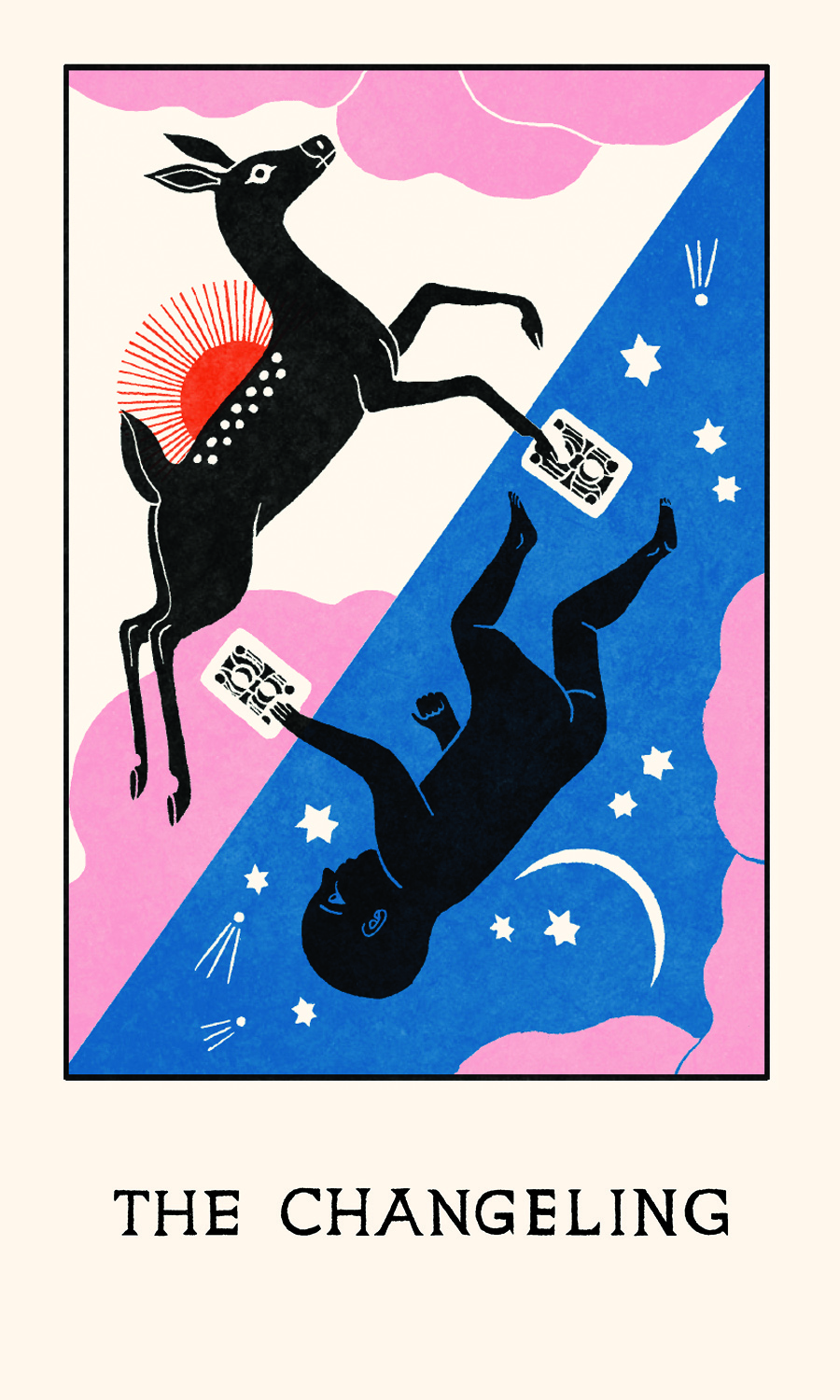
When time permits, I like to answer interesting questions posed by my Patreon supporters. This one has come up a few times…
Are there any cultures within Khorvaire that particularly utilize the Tarokka style deck? Is this associated with a dragonmarked house, magewrights, or something else?
Eberron: Rising From The Last War includes “oracle” as one of the possible specialties for magewrights; as presented, they can cast augury and divination as rituals. I expand on this in Exploring Eberron:
At DM discretion, a magewright’s spells may have expanded—or limited—effects. Consider what it takes to make a spell a viable commercial service. For example, augury only allows the caster to predict events 30 minutes in the future—useful for adventurers in the midst of a dungeon, but not for the farmer wanting an opinion on planting crops. A professional oracle might be able to predict woe or weal anywhere from a day to a week in advance—but such an oracle could have very specific limitations, such as only being able to make predictions related to to weather or agriculture. As a DM, use the existing spells as a model, but adjust them as necessary to create a viable business.
This is one place where I’d draw a sharper line than usual between magewrights (who employ arcane science) and adepts (who perform divine rituals). As a 2nd level spell, augury is in the range of everyday magic; as a 4th level spell divination is a little beyond it. With this in mind, I’d be inclined to either say that only the most exceptional magewright oracles can perform divination, or that they can only perform a narrow version of it, as described above. While for adepts I’d be inclined to say that they can cast augury at will but that divination is less predictable; they can pray on a thing, but sometimes answers come and sometimes they don’t… and sometimes, an adept oracle receives answers to questions without even asking them. It’s faith, not science.
So: Oracles can be found across Khorvaire, and they can cast augury and divination. But what does this LOOK like? The rules gives us the mechanics of spells, but flavor is something we have to add. Take fireball. Typically we think of a wizard raising a hand and calling out a word of power to produce a blast of fire from thin air. On the other hand, an artificer who employs alchemist’s supplies as their spellcasting focus could describe casting a fireball as hastily assembling a magical Molotov cocktail. It’s the same spell, but the flavor is completely different. The same definitely holds true here. An adept oracle might light incense and pray throughout their ritual time, seeking the answer within. A magewright oracle could employ bones, tea leaves, or unquestionably, cards—and I think there are oracular traditions that use all of those tools on Khorvaire.
We’ve never discussed cartomancy in any canon source that I’m aware of, but I’ve always assumed that it exists. A key question is how do people think the cards work? What power is guiding the cards? Let’s look at a few possibilities and where they’d fit.
The Draconic Prophecy. Eberron HAS the idea of a vast power that can be used to shape or predict the future, and it’s easy to imagine a deck of cards that’s seen as a lens for drawing guidance from the Draconic Prophecy. Personally I’d say that this is a very limited lens—peeking at the Prophecy through a hole in a piece of cardboard, no match for the vast observatories and tools employed by the Lords of Dust and the Chamber—but still useful as a tool for everyday life and a reliable way of casting divination. Personally, I would imagine this using a blend of the Sovereigns, Progenitors, and Planes as the arcana. To me, this would be the Rider-Waite of the Five Nations—a standard deck employed across the nations. Let’s call it the Golden Deck or the Dragon Deck (when it depicts the Sovereigns as dragons).
Sul Khatesh. The Keeper of Secrets loves esoteric rituals and people seeking forbidden knowledge. The Deck of Shadows is said to have been created by Hektula, and it uses overlords and archfiends as its arcana. It has a sinister reputation and is said to reveal painful secrets and things people don’t want known—all catering to Sul Khatesh’s love of people fearing magic. So this is found across Khorvaire, but it’s not a deck people will use in nice neighborhoods.
Thelanis. The spirits speak through the cards, and in this case the spirits are the archfey of Thelanis. The Deck of Stories is most commonly used in Aundair—where there’s long-standing traditions of dealing with the fey—but it can be found across the Five Nations.
Xoriat. It’s said the artist who drew the first tohiish dooval deck gouged out his eyes before sketching the cards. The images on the cards are unnerving, abstract designs; it’s not unlike a deck of Rorshach images, with different people seeing very different things as they stare at the cards. The tohiish dooval—”dangerous truth“—first appeared in the Shadow Marches and is rarely seen in the Five Nations, but there are rumors that Narathun oracles have started using a similar deck found in the Realm Below.
The Divinity Within. It’s not about the cards—it’s about the person reading them. Adept oracles of the Blood of Vol use cartomancy more than those of any other faith, but there’s no standardized deck associated with the faith. You could use Tarokka, Harrow, or any other deck. What’s important is what the reader sees in the cards, because the cards are the tool they use to reach their own Divinity Within.
These are just a few possible decks and traditions; an Aereni oracle might use a unique deck with cards representing their own personal ancestors. Aside from its use as a divinatory tool, I’d definitely allow a warlock to use a cartomancy deck as an arcane focus (and as their Book of Shadows, if they have Pact of the Tome); they could use the cards as a means to communicate with their patron, and could describe producing their spell effects by dramatically displaying and invoking specific cards.
I’ve got a Duergar Spirit Bard who uses a Harrow deck he found while in a labor camp in Ohr Kaluun; given that the whole vibe for Ohr Kaluun is “dark magic”, cartomancy felt like a natural fit.
This seems entirely reasonable, and such a tradition could have been carried over into the Venomous Demesne. But with that said, the question that immediately comes to my mind is what makes it “Dark Magic”? Is it a method of communicating with fiends? Are the cards printed using the blood of an innocent, and it’s their tormented spirit that speaks through the cards? Is the deck itself a bound imp? For those who aren’t familiar with it, Ohr Kaluun is a region in Sarlona which was in the past known for dangerous and sinister magical practices, including consorting with malevolent powers. When creating magic items from Ohr Kaluun, I love to try to hit this—to ask why would people be afraid of this place? I want players to say “I want to keep this item because it’s useful, but also, ewwww.”
That’s all for now! Feel free to discuss these ideas or to share what you’ve done with cartomancy in the comments, but as this is an IFAQ, I won’t be answering questions on the topic. Thanks to my Patreon supporters for asking interesting questions!
Threshold Patron Exclusive: Elements of Threshold
IC Exclusive: Purge Hooks
IFAQ: The Lycanthropic Purge Campaign
When time permits, I like to answer interesting questions posed by my Patreon supporters. Here’s one that came up this month. As always, my answers are based on what I do in my personal campaign and may contradict canon sources: notably, this article is based on the premise that the Wild Heart was the cause of the Lycanthropic Purge, which is just one of the options presented in canon.
I’d like to run a campaign set during the Lycanthropic Purge. On the Manifest Zone podcast you mentioned running a one-shot with a mixed party during this time, and I was wondering if you have any suggestions. Should I have my players make characters on both sides and alternate between them, or would that be too confusing?
In my Eberron, the Purge began when the archfiend known as the Wild Heart awoke in the Towering Wood and spread its power across the region. Countless innocents died, but none suffered so much as the shifters of the Towering Wood. Entire villages were brutally slaughtered, while elsewhere hunters tortured innocents as they sought to root out hidden wererats.
… And then the templars arrived.
When people think of the Lycanthropic Purge, they often think of the final stage—the slow decades in which the zealots of the Pure Flame sought to eliminate every last lycanthrope, heedless of how many innocents they harmed in the process. Everyone knows that shifters died in the conflict and that it created a deep rift between the shifters of the west and the Church of the Silver Flame. What is often overlooked is that countless innocent shifters died before the templars ever came to the Towering Wood. The Silver Crusade wasn’t a struggle between templars and shifters. It was a war between the servants of the Wild Heart and everyone else; shifters just suffered the worst of it.
First, let’s establish some basic facts. This Dragonmark article provides basic information about the Silver Crusade, now often known as the Lycanthropic Purge. This IFAQ article discusses different strains of lycanthropy—in particular, the Curse of the Wild Heart, the primary strain involved in the Silver Crusade. This is important because the lycanthropes being fought weren’t blessed by Olarune or champions of the natural world; they were cursed by an overlord and essentially demonically possessed.
The Templars of the Silver Flame came in response to lycanthropes raiding western Aundair. After securing the region they realized the threat was based deep in the Towering Wood—and that they would have to push into the woods to fight it. But who were those lycanthropes who triggered the crusade? Where did the forces that raided Aundair come from? The curse began in the Towering Wood, and it was the people of the Towering Wood who were the first victims of the Wild Heart—and the majority of them were shifters. Why did the templars fear shifters? Why was it so easy for them to believe shifters could be lycanthropes? Because the majority of the lycanthropes they fought were cursed shifters, taken by the Wild Heart before the templars came into the region. And templars didn’t jump to this conclusion alone; wererats hidden among shifters and templar forces delighted in sowing chaos and turning people who should be allies into enemies. Wererats worked to convince templars that innocent shifters were scheming lycanthropes, and to convince shifters that the templars were butchers and that their only chance for survival was to strike first. So there were all too many incidents where innocents died. But the templars never believed that all shifters were lycanthropes or that all shifters were the enemy. Shifters were the civilians of the Towering Wood. But shifters also formed the bulk of the forces of the Wild Heart, and lycanthropes were hidden in almost every shifter village.
So in looking at the actual battles of the Purge, there were essentially two movies playing out at the same time. In the open forest you had a movie that was a blend of Aliens and Predator. Werewolves, wereboars, and other lycanthropes were feral and bloodthirsty. Some—especially wereboars—would rely on brute force, charging directly into enemy forces. Weretigers and similar types preferred to toy with templars, stalking them, laying traps and ambushes. Werewolves could go either way, sometimes overrunning their enemies and other times hounding them, striking swiftly and then disappearing. One to one, only the greatest templar champions were a match for an individual lycanthrope. This was complicated by the fact that the templars couldn’t afford to silver every weapon. Specialists had silvered halberds, greatswords, and arrows; but most templars had to rely on silvered daggers to bring down their foes. This was a horror movie. The templars relied on superior numbers to overcome the enemy, but one to one they were grievously outmatched. The lycanthropes were at home in the woods, while the templars were from the villages of Thrane. Then you had the inhabitants of the wood—primarily shifters, but also the followers of the druidic traditions we know think of as the Eldeen sects. Shifters, humans, elves, and others, these people knew the woods and knew the enemy far better than the templars, but they had been savaged by the Wild Heart before the templars ever arrived, and had always been isolated from the outside world.
This brings us to the second story playing out in the Towering Wood… a blend of The Thing and the game Are You A Werewolf? Wereboars relied on brute force, but wererats specialized in psychological warfare. Wererats infiltrated every village and outpost they could find, working to worm their way into templar forces as well as the communities of the Towering Wood. And keep in mind that the templars relied on those villages as bases of operations and sources of supplies in the vast untamed woods; they needed the help of shifter villagers. The wererats used these positions to gather intelligence on their enemies, but also to amplify paranoia and to turn innocents against one another. Set aside templars and shifters—when two squads of templars meet in the wood, can they trust one another? What about when a squad of templars finds a single templar, the lone survivor of a squad butchered in a werewolf attack. She swears she was never bitten, that she’s still human… but can they trust her, or will their fear overwhelm them? One might say lycanthropes are immune to non-silvered weapons… couldn’t they just prick her finger with an iron blade? Good question, but in my campaign it’s not quite so simple. This article discusses the topic in more length, but the short form is that werewolves bleed when you stab them with iron knives, they just won’t DIE; so to make a conclusive determination by wounding them with a weapon, you’d have to inflict enough damage that they might actually die if they’re innocent, which is how many innocents ended up dying in the later years of the Purge.
So this war was both physical and psychological, and whichever front you were fighting on, it was a horror story. The enemy could be anywhere, and all it would take was a single untreated bite to turn you into a monster who would turn on your friends. The adventure I described on Manifest Zone involved the remnants of a templar patrol needing to join forces with a shifter Moonspeaker druid and her warden, who were tracking a champion of the Wild Heart. The shifters knew more about this threat than the templars, but they couldn’t defeat the enemy on their own. And yet, could either group trust that the other? Could they get past the innocent blood that had been spilt and work together?
Creating A Party
So: in running a campaign set in during the “Surge” era, it’s not about shifters versus templars. It’s about shifters, templars, Greensingers, Wardens of the Wood, Ashbound and more—all of the inhabitants of the Towering Wood and the army that came from beyond it—against the deadly power of the Wild Heart. I wouldn’t have players create characters on both sides of this conflict, because the servants of the Wild Heart weren’t acting with free will; this comes to the point that player characters that become evil lycanthropes are often placed under DM control. The forces of the Wild Heart weren’t choosing to fight; they were extensions of an overlord. What I’d do is to have players create two character concepts at the beginning of the campaign: a templar character and a native of the Towering Wood, who could be a shifter or a member of one of the druidic sects. The players would begin as a squad of templars assigned to a deep forward patrol, seeking the source of the Wild Heart’s power. Whenever a player character dies, the group would have the opportunity to acquire a local ally—that player’s backup character. Because again, part of the point is that this is a horror movie in which the templars were largely outmatched, so unlike many campaigns I’d want to be clear from the onset that player characters can die. We’d be prepared for that and players would know that death wouldn’t be the end of the story—but they’d know that it’s a very real threat, and they’d have a backup character prepared. And with this in mind, if a player loses their initial character and assumes the role of their secondary, I’d have them make a new secondary—who could be a native or could be a templar, the last survivor of another patrol thrilled to find friends. And I’d at least throw out that possibility you never know, one of the secondary characters you acquire could be a wererat… Even if this never happened, part of the point would be to establish how powerful this fear could be.
Wait, The Eldeen Druids Were Involved?
We’ve never mentioned the role of the Wardens of the Wood or the Ashbound in the Lycanthropic Purge, but of course they were involved. The Towering Wood was the front line of the war, and the Towering Wood is the home of the Eldeen sects. Cut Oalian and count the rings; he’s been around for far longer than two centuries. The point is that the bulk of the population of the Towering Wood—the majority of its villages and communities—were shifters, so they received most of the attention… and meanwhile, the templar forces far outnumbered the Wardens of the Wood. But yes, the Eldeen Sects were absolutely involved in the conflict, fighting both to survive and to protect other innocents where they could. They suffered tremendous losses during the conflict—some at the hands of templars convinced they were lycanthropes—but the Wardens in particular did manage to protect many innocents. We’ve mentioned before that the Pure Flame emerged from the Lycanthropic Purge as the Aundairians who’d suffered through the Purge embraced the Silver Flame. But just as the Flame received a surge of new followers in the aftermath of the conflict, so did the Wardens of the Wood! Especially in the region around Niern—the closest to the Greenheart—many people owed their survival to the efforts of the Wardens and either immigrated into the woods in the aftermath of the Purge or simply maintained contact with their Warden allies. This was one more factor in the willingness of the people of western Aundair to embrace the Wardens and form the Eldeen Reaches during the Last War; because the region already had history with the Wardens, still told the stories of Warden rangers bravely fighting wereboars. But again, the key point is that the Wardens didn’t have the numbers or the military discipline of the templars. They played a key role in a few specific areas, and they certainly were involved in the final push that broke the power of the Wild Heart, along with templars and Moonspeakers—but to the world at large, this was the templars’ story.
How Did Any Shifters Survive?
The templars didn’t learn of the threat until the lycanthropes spread beyond the Towering Wood and into Aundair. We’ve said that shifter villages were important staging areas for templar forces during the conflict, and that there were villages with just a handful of wererats hidden among an otherwise innocent population. But how is it that there were any shifter villages by the time the templars arrived? How is it that they weren’t completely overwhelmed before the forces of the Wild Heart began invading Aundair?
The key to this is that we’ve never discussed what the Wild Heart actually wanted to accomplish or how it was finally defeated. We know that the Wild Heart had broken most of its bonds, that it was able to exert its influence over a vast region, and that at some point it was likely able to manifest a physical avatar at the seat of its power (a manifestation similar in power to the overlords presented in Rising From The Last War). We know that in general it drew strength from the spread of lycanthropy, and that eliminating lycanthropes weakened it. But as discussed in this article, the bonds of the overlords are enigmatic and tied to the Prophecy. It is entirely possible that the Wild Heart needed the templars to break free from its prison. I’ll take it a step further and say that it may well have needed templars to kill innocent shifters—that part of why cunning wererats were engineering paranoia and driving massacres is because this was a crucial component of the lock on the Wild Heart’s prison. One could say if that’s the case and someone figured it out, couldn’t they just leave? and sure, if someone figured it out, they could—but that wouldn’t undo the damage already done. Even if it wasn’t fully free, the Wild Heart would still command an army of lycanthropes and could still destroy Aundair; things had gone way too far for ignoring it to be an answer. The templars may have been a key element in releasing the Wild Heart—but they also had a vital role to play in fully rebinding it, which is what eventually occurred.
The upshot of all of this is to remember that the true goals of the Wild Heart were more subtle than simply kill and expand… and that the ultimate defeat of the Wild Heart required more than just physical force. It’s up to the DM to decide exactly what these two options—release and rebind—involved.
In Conclusion…
In telling a story or creating a campaign around the Silver Crusade, I’d keep the following points in mind…
- Shifters of the Towering Wood were the primary inhabitants of the Wood before the Crusade. Most villages in the wood were shifter communities.
- These shifters suffered grievous losses and were fighting for their survival before the templars even arrived. Shifter villages that hadn’t been openly attacked were often infiltrated by wererats.
- Templars weren’t the enemy of the shifters, and they did work together in villages. But the Wild Heart forever worked to make them enemies and to trick them into bloodshed.
- The known druid sects—Wardens of the Wood, Ashbound, Greensingers, Children of Winter—were all involved in the conflict, but because of their small numbers were typically confined to specific regions. They were fighting for their survival. Prior to the Aundairian attacks, non-shifter lycanthropes in the Towering Wood would be drawn from the druid sects.
- The goal of the Wild Heart was to shatter the final bonds imprisoning it. While bloodshed and the spread of lycanthropy helped this, its true goals were more complex; this is why the conflict lasted as long as it did and why it didn’t raze every village.
- In my campaign, good people slaughtering innocents would be a critical element of the Wild Heart’s goals. So there were two clear front lines—physical conflict with powerful lycanthropes and psychological conflict with wererats seeking to compel innocents to kill one another.
All of this deals with the first phase of the Purge. Once the power of the Wild Heart was broken, afflicted lycanthropes could no longer infect others and champions of Olarune and other good lycanthropes were freed from its control. But the conflict wasn’t over, and there were decades of strife and pain as the Pure Flame continued its efforts to root out every last lycanthrope. As a story, this would be more like The Crucible, and it’s not a campaign I’d particularly like to run.
Even if you never run a campaign set in this period, it can still play a role in the story of many player characters in the modern day. If you’re from the region—whether human or shifter—what happened to your family during the Purge? Were your ancestors slaughtered by lycanthropes, templars, or both? Did they adopt the faith of the Flame or join one of the druid sects because of their actions in the Silver Crusade… or have they never forgiven one of those groups for the actions it took during the Purge? If you’re playing an elf or a similarly long-lived character, did you actually experience part of the Purge yourself, and if so, what role did you play?
That’s all for now! My time is very limited right now, so I may not be able to answer questions on this topic. Thanks to my Patreon supporters for asking interesting questions and for making these articles possible; follow the link if you’d like to help support the site and determine the topics of future articles!
IFAQ: Dreamspace and Flumphs
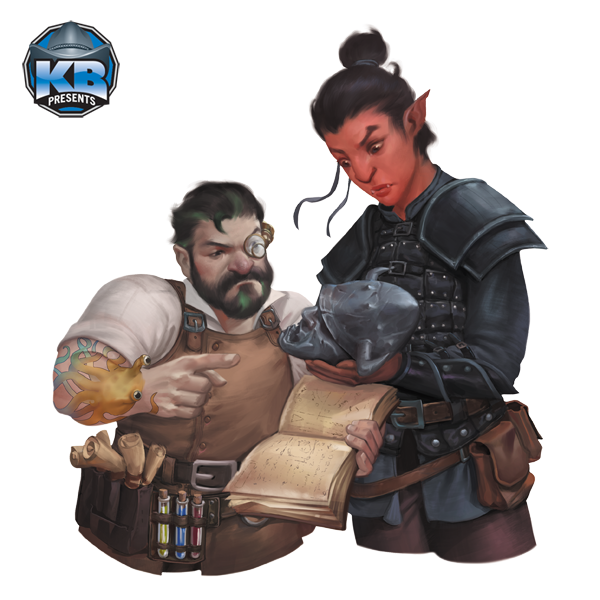
Every month, I ask my Patreon supporters for interesting questions about Eberron. This is the first time I’ve been asked about flumphs! So let’s get to it!
What’s the role of Flumphs in Eberron, especially in Riedra or Adar?
As far as I know, flumphs have never been addressed in canon. I’ve personally never used a flumph in any campaign I’ve run, so I’m primarily familiar with them from their appearances in Order of the Stick. So, the following things are true about flumphs in 5E.
- Flumphs are small aberrations.
- Flumphs are telepathic. They feed on telepathic emanations and thus are thus found around other telepathic species. They can eavesdrop on telepathic communication in their vicinity and cannot be perceived by telepathy or divination.
- Flumphs are wise and benevolent. They dislike holding on to evil thoughts, and thus when they overhear evil thoughts they will try and share them with good people—so they’re ideally suited to spilling the beans on illithid or aboleth schemes.
- They’re traditionally found in the Underdark, and live in harmonious units known as cloisters.
So with all that in mind, here’s how I’ll use flumphs in Eberron…
Flumphs are natives of Xoriat, where they dwell in the Emocean—a tide of surging thoughts and emotions, deeper and more primal than Dal Quor’s Ocean of Dreams. Flumph cloisters drift along streams of consciousness, drawing sustenance from the pure psychic emanations surrounding them. This is a blissful experience, and most flumphs have no interest in traveling to the material plane. But occasionally manifest zones form maelstroms within the Emocean, especially when people within the manifest zone suffer intense emotions. Flumphs in the material plane are fish out of water, and need to quickly find a source of psychic emanations in order to survive. While flumphs can draw sustenance from any form of telepathic emanation, they are benevolent by nature. While they can survive on a diet of cruelty, it’s distressing and they will seek to expunge the evil thoughts in a psychic exchange with good creatures whenever possible.
Flumphs enter Eberron through manifest zones to Xoriat. Here’s a few places flumphs can be found in Eberron.
- There are flumphs scattered across Sol Udar beneath the Mror Holds, pulled in by the fear and suffering of the dwarves battling Dyrrn the Corruptor. Most Mror flumphs are isolated and lost, struggling to survive. Sages of Clan Narathun have established a flumph sanctuary beneath Shadowspire and reunited a flumph cloister. A group of Narathun bards have been working with these flumphs to develop their thoughtsinging techniques, and flumphs are helping Narathun watch for Dyrrn’s forces.
- Flumphs can be found in the swamps of the Shadow Marches. Some linger in the periphery of dangerous telepathic entities. Others have formed a symbiotic relationship with a sect known as the Uul’gaanu, the “Daughters of the Dream.” A benevolent variation of Kyrzin’s Whisperers, the Uul’gaanu build their communities around hidden flumphs. The flumphs help the Uul’gaanu develop basic telepathic abilities; an Uul’gaanu community has a very simple hive mind, with members of the community casually sharing emotions and thoughts. Community members gather together for psychic metaconcerts, generating shared emotions that feed their flumphs. Dealing with the Uul’gaanu can be unsettling for outsiders, as the Uul’gaanu respond to the thoughts and emotions of their companions without need for speech; while for their part, the peaceful Uul’gaanu are often distressed by the cruel or selfish thoughts of outsiders. As a result, the Uul’gaanu tend to remain isolated from other Marcher communities.
- Flumphs have emerged in wild zones of Sarlona over the years. Because of their ability to eavesdrop on psychic communication, the Inspired consider them a security risk and exterminate them whenever they are found. However, a number of flumphs have found safe havens in the fortress monasteries of Adar. Adaran flumphs are valued members of their communities, engaging in thoughtsinging and presenting young Adarans with philosophical challenges. Some flumphs choose to work with Adaran security forces, watching for Inspired infiltrators and influences.
As denizens of Xoriat, flumphs perceive reality in very different ways from creatures of the material plane, and have different outlooks on the nature of time, space, matter, and individual identity. Those who can bend their brains to encompass these concepts can learn a great deal from flumphs, as shown by the nascent group mind of the Uul’gaanu and the thoughtsinging techniques of the Narathun. However, these concepts can be difficult to reconcile with everyday life in the material plane, and this can make conversations with flumphs confusing for people fully grounded in reality.
What is the Dreamspace, and how would you use it?
The Dreamspace is a concept introduced in Secrets of Sarlona, which has this to say:
Planar gateways that once linked Eberron and Dal Quor, the Region of Dreams, were sundered during the cataclysmic wars that destroyed Xen’drik and shattered the giant civilization. Since then, Dal Quor has been forever distant, and no stable manifest zones to Dal Quor exist anywhere on Eberron.
However, Dal Quor and Eberron remained inextricably linked by the state of dreaming—the process by which mortal minds travel to the Region of Dreams, and the subtle gateway through which the quori first began their conquest of Sarlona some fifteen centuries past.
Discovered short years ago and still known only to a few, the dreamspace is an effect that appears related to this spiritual connection between planes, but one that as yet has no explanation. It appears as a kind of ripple of arcane and psionic energy—a border of sorts between the mortal world and the world of dreams… Regardless of its origin, different factions among both the kalashtar and Inspired distrust—some even say fear—the dreamspace. In particular, a good number of Inspired are said to be disturbed by the existence of a power connected to Dal Quor that they neither control nor understand.
Secrets of Sarlona, Page 18
Secrets of Sarlona includes a set of “Dreamtouched Feats” that allow people to attune themselves to the Dreamspace. Specific uses include the Dream of Contact, which allows long-distance telepathic communication (not unlike Sending) and Dream of Insight, which allows the dreamer to make a Intelligence-based skill check with a substantial bonus to the role—essentially, drawing knowledge from the collective unconscious. These techniques are crucial tools for the Unchained, a resistance movement within Riedra whose members engage un unsanctioned free dreaming.
That’s the extent of canon information. The Dreamspace was “discovered a few short years ago” and both the Inspired and kalashtar distrust it. So what IS it? A few possibilities that come to mind…
- The Dreamspace is just part of the natural infrastructure of the planes. Think of it as the phone lines that connect mortal dreamers to Dal Quor. There’s nothing sinister about it; it’s just a (super)natural part of the world.
- The Dreamspace is an artifact created by the quori of a previous age when they interacted with Eberron. Rather than tying this to the Giant-Quori conflict in Xen’drik, I’d tie this to an even older age of Dal Quor, potentially associated with long-forgotten civilizations in either Khorvaire or Sarlona… civilizations destroyed by the rising of the Daughter of Khyber or another Overlord. This allows for the discovery of ancient rituals or artifacts designed to manipulate the Dreamspace, and leaves the question open as to whether the quori of that past age were benevolent or if the Dreamspace itself was designed as some sort of weapon or tool of oppression.
- People have only discovered the Dreamspace recently because it’s only recently come into existence. It’s the side effect of unforeseen damage the Inspired are inflicting on the psychosphere of Eberron through their use of the hanbalani monoliths. At the moment it’s a useful tool, but as the damage becomes more extensive it could connect unwilling minds, cause dreaming spirits to be lost in the Dreamspace instead of reaching Dal Quor, or far worse things.
- The Dreamspace is a hoax. It’s a creation of the Dreaming Dark, a lure that’s being used to draw out rebels like the Unchained. Attuning the the Dreamspace and developing Dreamtouched techniques actually makes the user more vulnerable to quori possession.
These are all interesting possibilities. The point is that, like the Mourning, I wouldn’t WANT to present a single kanon or canon answer, because a central point of the Dreamspace is that the people using it don’t know what it is. It is a new tool that’s being latched onto by a desperate resistance—is it a blessing, or could it be a trap? Is it secretly a tool of the Dreaming Dark, or is it a the horrifying result of their messing with powers beyond even their control? Each of the four options above would form the foundation of very different stories. Using the first option, it could be a simple, reliable tool that has no other significant impact on the story. Using the second option could unveil a quori scheme from a previous age that dwarfs the ambitions of the Dreaming Dark—while the third option could end with the Dreaming Dark and the player characters working together to disassemble the hanbalani system before it tears reality apart.
So, the Dreamspace was always intended to be an idea that each DM could use in different ways; perhaps one of these ideas will inspire you!
That’s all for now! Thanks again to my Patreon supporters for posing interesting questions and for making these articles possible!
Threshold Patron Exclusive: Frontiers of Eberron preview
IFAQ: Prince Oargev’s Suitors
As time permits, I like to answer interesting questions posed by my Patreon supporters. Here’s one that’s come up a few times over the last few months.
Who would you cast as suitors for Khorvaire’s most eligible bachelor, Prince Oargev ir’Wynarn?
Oargev ir’Wynarn is the last son of Cyre’s ruling family. He was serving as an ambassador to Breland when the mysterious disaster befell his nation and has since become the unofficial leader of the Cyran refugees scattered throughout the other domains. He hopes to one day gather all of Cyre’s homeless children to this refuge in Breland. His other desire revolves around discovering the truth behind the destruction of his kin and country, and exacting revenge on the guilty parties. Until then, he graciously accepts the hospitality of Breland (even if the Brelish have given him unwanted land in the middle of nowhere) and works to rebuild the confidence and honor of his subjects. He serves as mayor of New Cyre while also playing the role of a king in exile.
Eberron Campaign Setting
Though young, Oargev is already a widower. His wife was lost on the Day of Mourning while Oargev was abroad. Oargev must take a new wife if the Cyran branch of the line of Wynarn is to endure. The prince, now twenty-five years of age, is both charming and gallant, and the coming social season is sure to be lively as both the families of Cyre and the nobles of other nations try to woo this dynamic leader.
Five Nations
In talking about Prince Oargev, an important first step is to resolve contradictory canon. Canon sources disagree on everything from Oargev’s age to his alignment to his class (notably, presenting two different sets of statistics for Oargev in the same book, Five Nations). Personally, I prefer Five Nations‘ first choice—NG aristocrat 2/bard 2—reflecting an optimistic idealist with raw artistic and arcane talent, both things Cyrans admire. But the more significant contradiction is his age and parentage. Forge of War and the 4E ECG both describe Oargev as the son of Queen Dannel ir’Wynarn. But his original mention in the 3.5 ECS simply describes him as “the last son of Cyre’s ruling family”—and Five Nations calls out that he’s young, 25 years old as of 998 YK. By canon, Queen Dannel became Queen of Cyre in 943 YK… meaning that she had been RULING Cyre for thirty years when Oargev was born. If we consider parallels in our world and cast Queen Dannel as Queen Elizabeth II of England, I’d personally cast Oargev as a young Prince Harry, not Charles; he was one of Dannel’s grandchildren. He is the “last son of Cyre’s ruling family,” not the last son of Dannel herself.
So for purposes of this article, Oargev is young—25 as of 998 YK. He’s idealistic, “charming and gallant“; he “hesitates to betray” his allies, and believes he’s doing what’s best for the Cyran people. He’s charming and artistic, being appointed to serves as a wartime ambassador when he was only twenty years old. He’s a grandson of Queen Dannel. Who were his parents? Honestly, I don’t care. It could be fun to create a story about his parent’s tragic relationship and how that affected him growing up, or to suggest that Dannel herself was jealous of the popularity of one of Oargev’s parents, or something like that. But I don’t like getting too deep into the weeds unless I’m actually telling a story in which those facts MATTER. The most important details are that Dannel was Queen of Cyre on the Day of Mourning and that Oargev is the last scion of the royal family; if you feel a need to fill in additional details about the Cyran royals, go right ahead. Which brings us to the next important question…
WHY DOES THIS MATTER?
Why does anyone CARE who Oargev is dating? What possibly relevance could it have to an adventure you might run? It’s a valid question. As I mentioned with Oargev’s parents, I don’t like adding obscure details unless they’re going to actually matter in the story that I’m telling. So why could Oargev’s love life matter in your campaign? Here’s a few possibilities.
The Legacy of Cyre. One of the simplest, basic backstories for a group of Eberron adventures is former Cyrans. Whether you were soldiers who served together or patrons of the same lost tavern, shared Cyran background is an easy way to forge a bond between a group of characters and to justify a group of wandering adventurers; your homeland was destroyed, and all you have now is the bonds you build. This in turn brings us to New Cyre. If you have a group of Cyran adventurers—or even just one influential Cyran within your party of adventurers—then New Cyre matters. As a Cyran your nation has been destroyed and your people scattered to the winds. New Cyre is a nexus for Cyran refugees, a place where your people are struggling to maintain your culture and to rebuild your nation. In a party with one or more Cyran adventurers, one question I’d ask in session zero is what are your ties to New Cyre? It’s the largest assembly of Cyran refugees… does the character have any family or friends in New Cyre? Do they want to see their nation reborn or have they turned their back on it?
If the adventurers care about Cyre or New Cyre, one possibility is for Oargev to serve as their patron—as described in more detail in the Head of State group patron presented in Eberron: Rising From The Last War. Adventures can be driven by the ongoing interests of Cyre and by the investigation of the Mourning or the Mournland. New Cyre itself could serve as an adventuring hub. If you follow any of these ideas, than Oargev’s relationships matter. Oargev’s spouse will shape the direction of his life and ambitions, and these in turn will shape the future of New Cyre and the potential of Cyre reborn. Do you want to see Oargev with someone who will fuel aggressive ambitions to rebuild—or seize—a new Cyre? Or would you rather see him with someone more conciliatory, who will focus on the security and well-being of the refugees even if that means abandoning the idea of Cyre reborn? Are you worried about your prince becoming a tool or a puppet of malign forces? If so, you should care about his suitors.
A Horse in the Race. Even if the adventurers have no ties to Cyre, they could have a connection to one of the suitors. Are they working with the Citadel? Perhaps their contact asks them to look out for Heydith. Are they part of House Cannith? Maybe Idara is an old friend. If they’re warforged they could have ties to Rose, or be interested in their agenda. If you really want Oargev’s choice to matter, get one of the player characters in the race! This is especially appropriate for a player character with the noble background; are they personally interested in Oargev, or is there pressure from their family to pursue the match? This could easily combine with having Oargev as a patron, as the adventurer tries to win his heart while helping enact his agenda. This is a story for a particular type of player, but if you have a player who wants to pursue the prince, it could be fun!
The Draconic Prophecy. The Draconic Prophecy revolves around the interaction of prophetically significant people and events. It’s a simple matter to assert that Oargev—let’s call him the Last Prince—is a prophetically significant figure whose choice of spouse will have cascading consequences in the Prophecy. Depending on the importance of the outcome, you could have disguised rakshasas or dragons in play trying to influence events, or adventurers working for the Chamber could be told you make sure Oargev and Haydith fall in love! A key point is that if the Prophecy requires that Oargev and Haydith fall in love, the Lords of Dust can’t just brute force the answer (using dominate or replacing Haydith); if the Prophecy requires them to fall in love, they will have to legitimately fall in love for it to qualify.
The point here is that you could have a part of adventurers who has no interest in Cyre whatsoever but who are working with the Chamber (or the Lords of Dust) in pursuit of the Prophecy and who are directed to play Cyrano and to meddle in Oargev’s romantic affairs… or if they’re more interested in protecting New Cyre, they could run afoul of the disguise rakshasa pulling strings.
Phiarlan Presents: The Prince. If your adventurers have no interest in Oargev or Cyre, you could still throw in his romance as a source of comic relief. House Phiarlan is building up its crystal theaters—theaters that use scrying tools to tune into distant entertainment. Phiarlan is building up a repertoire of crystal programming, and they’ve settled on The Prince. They’ve helped assemble the team of potential matches for Oargev, and each week there’s a series of crystalized trials that help the Prince narrow down his choice. People are following the drama across Khorvaire, and each adventure NPCs could be discussing the latest twist or elimination. Meanwhile, in exchange for going along with this circus, Oargev is getting Phiarlan’s support for New Cyre… both financial support and access to their more secret services.
So there’s a number of ways to make Oargev matter. If the player characters are Cyran, Oargev’s choice could determine the future of their people. If the adventurers are dealing with the Prophecy, it could be a key point they have to push in a particular direction. And if they don’t care at all, it could still be a funny story unfolding in the background of the campaign! Which suitor will receive the Purple Rose of Cyre?
WHO ARE THE SUITORS?
As with so many things in Eberron, my immediate reaction is who do you want them to be? Because ultimately the question is always what’s going to make the best story. I don’t have time to come all canon sources for eligible young nobles, or to come up with a comprehensive list of the eligible heirs of every noble family of the Five Nations. So what I’m going to provide here isn’t in any way a comprehensive list. Instead, it’s a few examples of suitors, highlighting how that suitor could have an interesting impact on a story. As a DM, you should definitely expand this list to include your own favorite canon NPCs or new characters you create. There may be dozens of competitors on the field; I’m just calling out a few I’d use in MY campaign.
- Haydith ir’Wynarn, Princess of Karrnath. Following the Treaty of Thronehold, King Kaius III and King Boranel agreed to an exchange of hostages—each sending members of their family to live in the foreign court. Haydith is Kaius’s younger sister, and she’s said to have become quite popular at court. Nonetheless, she’s far from her home and friends, a stranger trying to make her place in Breland just as Oargev is. I could see Haydith having true feelings for Oargev, sympathizing with his immense loss (“Most of my friends are dead too. Or undead.”). In my campaign, Haydith is about 20 years old (a shift from canon) and is a brilliant, sharp-witted gothic princess—a blend of April Ludgate and Wednesday Addams. She’s currently a pawn in Boranel and Kaius’s game of Conqueror, and she wants to change the game; if she ended up with Oargev, she’d push for him to do something truly unexpected.
- Rose. A unique warforged envoy, Rose given to the Cyran royals as a gift from House Cannith, and served as a companion to Oargev’s sister Marhya. The Princess died in the Mourning, but Rose survived years in the Mournland and rallied a community of warforged survivors who still dwell in the Mournland. In presenting themself as a suitor, Rose notes that both they and Oargev are leaders of a people with no recognized homeland; Cyre has been lost and the warforged have never had a true home. Rose has a vision of warforged and refugees working together to rebuild a new Cyre where both are full and equal partners. Whether this means undoing the effects of the Mournland or simply reclaiming it as is, Rose is passionate about creating a new future for both their people. Needless to say, the marriage of a noble and a warforged is unprecedented, and there’s the obvious question of an heir; but Rose dismisses such concerns, believing that if they can find a way to create a new Cyre, they can find a way to create a family. Where the Lord of Blades advocates separatist aggression—the warforged building their identity apart from humanity—Rose seeks to bring two lost peoples together, peacefully building something stronger than either would be alone. If player characters are either Cyrans, warforged, or both, they may have an interest in Rose’s agenda.
- Lady Talalara is an Inspired ambassador from Riedra, recently appointed to Oargev’s makeshift court in New Cyre. Riedra is offering economic assistance, but Talalara is offering something more—promising to train a new generation of Cyran psychics, helping Oargev’s people unlock power they could potentially use to reclaim Valenar or Darguun or to create a new nation for his people. And if this proliferation of young psychics also served as an excellent cover for having more quori hosts on Khorvaire, so much the better.
- Vestige is a changeling with a gift for adopting the forms and personalities of people who’ve died. With Oargev, he often adopts the form of the Prince’s late wife, allowing Oargev to spend more time with his first love; he also adopts the personas of others lost in the Mourning, allowing Oargev to consult with his father or speak with his sister. Vestige serves as a medium, believing he brings peace to both the living and the dead by giving people additional time. However, he also maintains his own identity; as consort he would expect to be identified as Vestige, and to forge a new Cyre that is especially hospitable to changelings, both settled changelings and the Children of Jes. (Note that Vestige’s gift is a form of divine ritual—sort of like Speak With Dead, but instead of having a piece of the body he has to go through a short seance-like ritual with someone who remembers the person who’s persona he will assume. Vestige can then assume the deceased person’s form and is guided by their memories. A skeptic could assert that Vestige is actually just telepathically drawing on the living person’s memories of the deceased; the DM will have to decide whether Vestige can access memories of the dead they never shared with the living anchor.)
- Ilina Corla d’Cannith. Scion of a powerful family, Ilina dreamed of being matriarch of House Cannith. But the Corla line were entirely based in Eston and Making, and the Mourning wiped Ilina’s lineage from the face of Khorvaire. She has refused to align herself with any of the three Cannith factions that have formed since the war; instead, she has remained with Cyran refugees, and has played a vital role in building and maintaining the infrastructure of New Cyre. There’s quite a few ways Ilina could go, depending on the shape of the story. She could only be interested in helping the refugees. She could be seeking influence that would make her a valuable asset to whichever of the three Cannith factions she ultimately allies with. Or she could be taking a more dramatic third option—suggesting that she could rally excoriates and foundlings and reclaim Cannith facilities in the Mournland, building a new Cyre that directly wields dragonmarked power beyond any of the houses. Depending on which path you follow, she might be happy to renounce her family name, or she could be determined to test the limits of the Korth Edicts—after all, since Oargev holds no lands at present and she is acting independently of the house, is it really defying the Edicts?
- Siiana of the Kapaa Dor. Siaana is a champion of the Kapaa Dor clan of the Ghaal’dar hobgoblins. She recognizes that Darguun began with an act of betrayal (albeit reclaiming land taken from her people long ago) and hopes that her union with Oargev would be the bridge to reforging Cyre and Darguun into an entirely new nation where human and goblin could move forward together in peace. With that said, the Kapaa Dor are old rivals of Lhesh Haruuc and his Rhukaan Taash, and Siiana certainly recognizes that forging her new nation would involve breaking his.
These six examples are all quite exotic. As Five Nations calls out, Oargev is also surrounded by the scions of the surviving families of Cyre, along with other nobles of the Five Nations. Shaela ir’Ryc, Jalene ir’Tala, Donal ir’Kulan, Isti ir’Dalas, and Habra ir’Soras are five such heirs. One of them’s a mind seed of the Dreaming Dark, one’s part of a cult of the Dragon Below, one’s a warlock bound to an archfey, one’s fiercely devoted to the Silver Flame, and one’s tied to the Three Faces of Love; it’s up to you to decide which is which. Some say that Oargev maintains a correspondence with Queen Diani of Thrane, another monarch whose domain isn’t all that she wishes it was. But again, all of these examples are just a place to start; the important thing is to think about the story you want to tell and the role the suitor has to play in it. Should they find bliss with Oargev, how will it affect the possible future of New Cyre and its people?
Because of everything going on in my life at the moment, I will not be answering questions on this topic. However, if you’ve used Prince Oargev in your campaign, who have YOU used as his suitors? I’d love to hear your ideas and stories in the comments!